Source Standing Indoor Led Screen With Nova System for Events
Find a standing indoor led screen with nova system for 30 available models. Compare specifications like pixel pitch, brightness, and driver ICs to select the right display for stage performances, advertising, and shopping guides; compare the available evidence and request quotations based on your requirements.
Key considerations
Products List


Comprehensive Sourcing Guide
Standing Indoor LED Screen with Nova System Sourcing Guide
Procuring a standing indoor LED screen with a Nova system requires careful alignment between the display's physical architecture and the control software's capabilities. The Nova system typically manages signal processing and synchronization, ensuring that high-resolution content flows smoothly across the module array. Buyers must verify that the specific Nova controller model supports the pixel pitch and resolution of the chosen screen, as mismatched hardware can lead to latency or visual artifacts during live events.
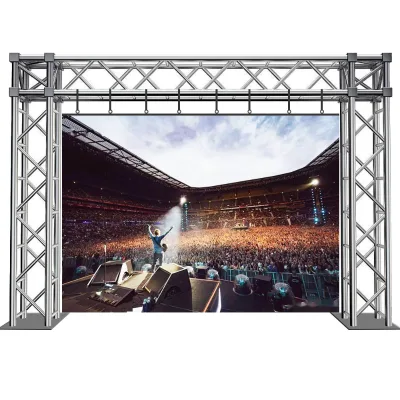
The physical stability of the standing unit is equally critical for indoor environments where audience proximity is high. Unlike fixed installations, standing screens often require robust mounting frames and quick-deployment mechanisms to ensure safety during setup and teardown. Sourcing teams should prioritize suppliers who provide integrated structural solutions that complement the Nova control system, ensuring that the entire assembly remains secure under dynamic lighting conditions and frequent handling.
Product Scope and Observed Listing Signals
The current market for standing indoor LED displays features a diverse range of pixel pitches, including P3.91 and P6 models, which cater to different viewing distances and resolution needs. Listings frequently highlight customization options, allowing buyers to tailor the display size and configuration to specific venue requirements. The observed product range includes modules with varying scanning modes, such as 1/16 scan, which directly impacts the refresh rate and visual smoothness of the final output.
Signal input capabilities are a key differentiator among available units, with many suppliers offering support for HDMI, DVI, SDI, and VGA inputs to ensure compatibility with various media players. The Nova system integration is often paired with specific driver ICs like Mbi5124 or Icn2153, which influence the color consistency and brightness uniformity of the screen. Buyers should scrutinize the listed pixel configuration, noting that some units utilize 1R,1G,1B setups while others may offer different encapsulation types from manufacturers like Hongsheng or Kinglight.
Technical Specifications to Verify
Brightness and grey scale performance are paramount for indoor applications where ambient light can fluctuate significantly. Verified units in the market often boast brightness levels ranging from 1000 to 1500 CD/Sqm, ensuring visibility in well-lit environments without washing out the image. The grey scale depth, observed at 65536 degrees in high-end models, is essential for rendering smooth gradients and preventing banding in video content, a critical factor for professional stage performances and advertising displays.
Refresh rates and operating parameters must be validated to prevent flickering, especially when cameras are used to record the display. Some listings indicate refreshing rates as high as 7680Hz, which is vital for high-speed video capture and smooth motion rendering. Additionally, the operating temperature range of -30 to 80 degrees Celsius and humidity tolerance of 10% to 95% ensure reliability in diverse indoor climates, while the module size, often 192x192mm or 250x250mm, dictates the overall assembly geometry and installation flexibility.
Compliance and Safety Documentation
Safety certifications are non-negotiable for indoor LED installations, particularly in public spaces like shopping guides or stage performances. The supply chain frequently provides documentation for CCC, CE, RoHS, and UL certifications, confirming that the electrical components and materials meet international safety and environmental standards. Buyers must request these certificates for every batch to ensure that the Nova system and the LED modules themselves do not pose fire or electrical hazards.
Electromagnetic compatibility and structural integrity are also covered under standards like CE and RoHS, which regulate the emission of interference and the use of hazardous substances. The Nova system's integration must comply with these regulations to ensure it does not disrupt other electronic equipment in the venue. Procurement teams should verify that the packaging, whether wooden cases or flight cases, meets shipping standards that protect the sensitive electronics during transit, maintaining the integrity of the certifications throughout the supply chain.
Cost Drivers and Commercial Terms
The cost of a standing indoor LED screen with a Nova system is heavily influenced by the pixel pitch and the quality of the driver ICs used. Lower pixel pitches, such as P2.604, generally command higher prices due to the increased density of components and the complexity of the manufacturing process. Buyers should expect price variations based on the specific brightness requirements and the inclusion of premium encapsulation materials from brands like Nationstar, which enhance longevity and color fidelity.
Commercial terms often include flexible MOQs ranging from 1 to 2 units, allowing for smaller pilot deployments or custom configurations. However, the total cost of ownership must account for the specialized packaging and potential lead times associated with custom orders. The observed price range of 189 to 12,000 USD reflects the vast difference between basic modules and fully integrated, high-performance systems, necessitating a clear budget definition before engaging with suppliers to avoid scope creep.
Supplier Qualification and Quality Control
Supplier qualification should focus on their manufacturing origin and their track record with Nova system integrations. Most verified suppliers originate from Shenzhen, a hub for LED technology, but buyers must distinguish between trading companies and actual manufacturers to ensure direct quality control. The presence of specific driver ICs and the ability to customize the display function, such as video or text display, are indicators of a supplier's technical depth and capability to meet specific project needs.
Quality control processes must extend beyond the factory floor to include rigorous testing of the MTBF and life time specifications. Products are often rated for over 50,000 hours of MTBF and a life time exceeding 100,000 hours, but these figures must be backed by actual test data from the supplier. Buyers should request detailed quality assurance reports that cover the operating temperature stability and color temperature consistency, ensuring that the Nova system performs reliably over the long term without degradation.
Long-Term Procurement Checks
Long-term procurement success depends on verifying the system's operating platform compatibility and future-proofing capabilities. Many units are designed to operate on Windows XP or similar legacy systems, but buyers must ensure that the Nova controller supports modern operating environments to avoid obsolescence. The signal input versatility, including support for SDI and CVBS, ensures that the screen remains compatible with evolving broadcast and presentation technologies over its lifespan.
Maintenance and replacement part availability are critical for minimizing downtime in high-usage environments. The modular design, with standard sizes like 640x640mm or 960x960mm, facilitates easy replacement of individual modules if a failure occurs. Buyers should establish a relationship with the supplier to secure a steady supply of spare parts and confirm that the Nova system firmware can be updated to address any emerging software issues, ensuring the display remains a reliable asset for years.
FAQs
What certifications are available for indoor LED displays?
Certifications such as CCC, CE, RoHS, and ETL are available for indoor LED displays. These standards ensure compliance with regional safety and environmental regulations. Buyers should verify specific certification requirements for their target market to ensure smooth customs clearance and legal operation of the installed video display systems.
What is the typical pixel pitch for indoor models?
Typical pixel pitches for indoor models include 3.91mm, 4mm, and 6mm. These options balance resolution and viewing distance for stage performance or advertising. Selecting the correct pitch depends on the specific application requirements and the desired image clarity for the intended audience viewing distance.
Can these displays support video and text functions?
Yes, these displays support video display, text display, and image and text display functions. They are suitable for shopping guides and advertising. The system operating platform compatibility ensures seamless integration with existing control software for dynamic content management and real-time updates.
What is the expected lifespan of the LED modules?
The expected lifespan is more than 100,000 hours with 80% brightness retention. The MTBF exceeds 50,000 hours, ensuring reliable long-term operation. This durability makes them suitable for continuous use in commercial environments like shopping centers or performance stages without frequent maintenance.
What packaging options are provided for shipping?
Packaging options include wooden cases, flight cases, cartons, and wooden boxes. These methods protect the modules during transit. The factory packaging ensures safe delivery of sensitive electronic components. Buyers should select the appropriate packaging based on shipping distance and handling requirements to prevent damage.
What is the operating temperature range for these units?
The operating temperature range is typically -30 to 80 degrees Celsius. This wide range allows operation in various indoor environments. Humidity tolerance is generally 10% to 95%. These specifications ensure stable performance in diverse climatic conditions without compromising display quality or hardware integrity.